Welcome to Brasslink International Company!

- Call Us for help!
- +91 9819742205
- Mail Us
- Brasslinkinternational@gmail.com

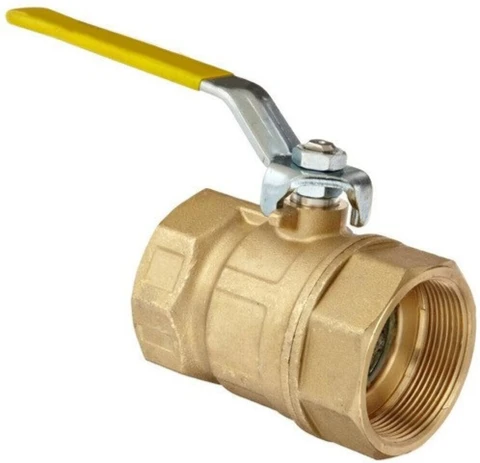
Brass Plumbing Valve
Manufacturer,Stockist and Exporter of Brass Plumbing Valve
Brass plumbing valves are essential components in modern plumbing systems, widely used for controlling the flow of water, gas, or other fluids. Crafted from high-quality brass, these valves offer excellent corrosion resistance, ensuring durability and longevity even in harsh water conditions. Brass valves are favored for their ability to withstand high temperatures and pressures, making them ideal for residential, commercial, and industrial applications. They provide smooth operation with minimal maintenance, reducing the risk of leakage. Their robust construction allows for easy installation and integration into existing piping systems. Brass plumbing valves are also resistant to scaling and deposits, which helps maintain consistent performance over time. Overall, they combine functionality with reliability for efficient fluid control.
These valves are available in various types, such as ball valves, gate valves, check valves, and globe valves, each designed for specific purposes. Ball valves are widely appreciated for their quick shut-off capability, requiring only a quarter-turn to operate. Gate valves, on the other hand, offer precise flow control and are typically used in applications requiring full opening or closing. Check valves prevent backflow, ensuring that water or fluids move in the intended direction. Globe valves provide accurate throttling and flow regulation, commonly used in complex plumbing systems. Brass valves can also come with threaded, compression, or soldered ends to suit different piping connections. Their versatility makes them indispensable in both new installations and retrofit projects.
The manufacturing of brass plumbing valves involves precise casting and machining processes to meet stringent quality standards. Brass is an alloy of copper and zinc, sometimes with small amounts of lead or tin, which enhances its mechanical properties. These valves undergo rigorous testing for pressure tolerance, leak resistance, and temperature endurance. Many manufacturers provide certifications to ensure compliance with international plumbing standards, such as ASTM, ISO, or EN. Surface finishing, such as nickel plating or chrome coating, further improves corrosion resistance and aesthetic appeal. The combination of durability and precision ensures that brass valves maintain long-term performance even in demanding environments.
Brass plumbing valves are widely used in residential applications, including water supply lines, heating systems, and bathroom fixtures. They are suitable for both hot and cold water systems due to their heat-resistant properties. In kitchens and bathrooms, brass valves provide leak-free control for faucets, showers, and water heaters. Homeowners prefer brass valves because they minimize maintenance requirements while offering reliable functionality. Additionally, their aesthetic finish complements modern plumbing fixtures. The ease of installation and compatibility with standard piping sizes make brass valves a convenient choice for DIY projects and professional plumbing work alike.
Commercial applications also benefit from brass plumbing valves, particularly in hotels, hospitals, and office buildings. These environments demand consistent water pressure and flow control, which brass valves provide efficiently. They can handle high volumes of water without deteriorating or leaking. Maintenance teams often rely on the durability of brass valves to reduce downtime and repair costs. In addition, brass valves contribute to energy efficiency by ensuring smooth water flow and reducing wastage. Their adaptability to various commercial plumbing layouts makes them an essential part of building infrastructure.
Industrial applications demand even higher performance from brass plumbing valves. Industries such as chemical processing, manufacturing, and food production often require valves that resist corrosion and chemical exposure. Brass valves can withstand moderate chemical interactions while maintaining operational efficiency. They are used in pipelines, cooling systems, and machinery that require precise flow control. Some industrial brass valves feature reinforced designs to handle high-pressure conditions. Their reliability reduces the risk of production interruptions, ensuring safety and continuity in industrial processes.
Maintenance of brass plumbing valves is straightforward due to their robust construction. Regular inspection for leaks, corrosion, or scaling is usually sufficient to maintain optimal performance. Lubrication of moving parts can enhance longevity, especially in frequently operated valves. Cleaning deposits and debris from valve surfaces helps maintain smooth operation. In case of minor repairs, components such as seals and washers can often be replaced without removing the entire valve. This ease of maintenance makes brass valves a cost-effective choice over time.
One of the major advantages of brass plumbing valves is their resistance to corrosion and wear. Unlike iron or steel valves, brass does not rust, which ensures a longer lifespan in water systems. The metal’s natural antimicrobial properties also help reduce bacterial growth inside pipes. Brass valves maintain dimensional stability under high temperatures, preventing deformation or leakage. These characteristics make them suitable for both potable water and heating applications. Users benefit from reduced maintenance frequency and enhanced reliability in long-term installations.
Specification Of Brass Plumbing Valve
| Specification | Details |
|---|---|
| Material | High-quality Brass Alloy (CuZn) |
| Valve Type | Ball Valve, Gate Valve, Globe Valve, Check Valve |
| Size Range | 1/4" to 4" (6mm to 100mm) |
| Pressure Rating | PN10, PN16, PN25 (up to 25 bar) |
| Temperature Range | -20°C to 120°C (-4°F to 248°F) |
| End Connections | Threaded (BSP/NPT), Compression, Soldered |
| Operation | Manual Lever, Handle, or Automated Actuator |
| Applicable Standards | ASTM B16, EN 12165, ISO 9001 Certified |
| Corrosion Resistance | Excellent resistance to water, mild acids, and alkalis |
| Applications | Residential, Commercial, Industrial Water & Gas Systems |
Brass valves come in a variety of sizes and pressure ratings to accommodate different plumbing needs. Smaller valves are suitable for household plumbing, while larger ones are designed for commercial and industrial pipelines. Standardized threads and end connections allow for compatibility with various piping materials such as copper, PEX, and CPVC. High-pressure brass valves are engineered to handle extreme operating conditions safely. Choosing the correct size and type ensures optimal flow, reduces energy loss, and minimizes the risk of leaks.
The performance of brass plumbing valves is enhanced by the precision of their internal components. Seats, stems, and seals are designed to provide tight closure and smooth movement. Advanced manufacturing techniques ensure that these components maintain tight tolerances, preventing leaks and operational issues. Some valves are equipped with reinforced or PTFE-coated seats for improved chemical resistance and extended life. This level of engineering ensures that brass valves perform reliably even under continuous or fluctuating pressure conditions.
Environmental sustainability is another factor in choosing brass plumbing valves. Brass is highly recyclable, reducing the environmental impact of manufacturing and disposal. Reclaimed brass can be melted and reused without significant loss of quality, making it an eco-friendly material choice. Additionally, long-lasting valves reduce the frequency of replacements, further minimizing waste. Sustainable practices in production and maintenance contribute to lower overall costs and reduced carbon footprint.
Chemical Properties Of Brass Plumbing Valve
| Element | Composition (%) | Function / Property |
|---|---|---|
| Copper (Cu) | 60-70% | Provides corrosion resistance, ductility, and thermal conductivity |
| Zinc (Zn) | 30-40% | Increases strength and hardness while maintaining corrosion resistance |
| Lead (Pb) | 0.5-3% | Improves machinability of the valve |
| Iron (Fe) | 0.5-1% | Enhances structural stability |
| Nickel (Ni) | 0.2-1% | Improves corrosion resistance, especially in harsh water conditions |
| Tin (Sn) | 0.1-1% | Increases corrosion resistance and reduces dezincification |
| Aluminium (Al) | 0.1-0.5% | Enhances strength and hardness |
| Other Impurities | ≤0.5% | Minimal impact; controlled to maintain alloy quality |
Brass plumbing valves are also valued for their ease of operation and user-friendliness. Ergonomically designed handles and levers allow for quick and safe operation. Color-coded handles can indicate hot or cold water lines for easy identification. Smooth operation reduces wear and tear on both the valve and the connected piping. These features are particularly beneficial in residential settings where daily use requires simple and reliable operation.
The cost-effectiveness of brass valves makes them a preferred choice in plumbing projects. While initial costs may be slightly higher than plastic or cast-iron alternatives, their durability and low maintenance needs justify the investment. Reduced frequency of replacements and repairs saves money in the long term. Energy efficiency and consistent flow control further enhance the value of brass valves. Property owners, plumbers, and engineers alike recognize brass valves as a balance of performance, reliability, and affordability.
Brass plumbing valves are also available with advanced features, such as thermostatic control, pressure regulation, and automation compatibility. These features are particularly useful in modern plumbing systems requiring precise flow management. Smart valves integrated into home automation systems allow remote operation and monitoring. These innovations enhance convenience, water efficiency, and safety. With continued technological advancements, brass valves remain a relevant and reliable solution in modern plumbing infrastructure.
Mechanical properties Properties Of Brass Plumbing Valve
| Property | Value / Range | Unit | Description |
|---|---|---|---|
| Tensile Strength | 350 - 550 | MPa | Ability to withstand pulling forces without breaking |
| Yield Strength | 200 - 300 | MPa | Stress at which permanent deformation begins |
| Hardness | 80 - 120 | HB (Brinell) | Resistance to surface indentation and wear |
| Elongation | 20 - 45 | % | Ability to stretch before breaking, indicates ductility |
| Impact Strength | 30 - 50 | J/cm² | Resistance to sudden shocks and mechanical impact |
| Density | 8.4 - 8.7 | g/cm³ | Mass per unit volume of the brass alloy |
| Operating Pressure | Up to 25 | bar | Maximum working pressure the valve can safely handle |
| Operating Temperature | -20 to 120 | °C | Temperature range for safe operation |