Welcome to Brasslink International Company!

- Call Us for help!
- +91 9819742205
- Mail Us
- Brasslinkinternational@gmail.com

Brass Valve
Manufacturer,Stockist and Exporter of Brass Valve
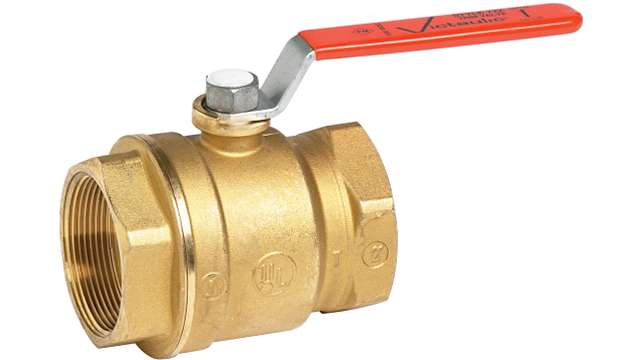
Brass valves are widely recognized for their durability and reliable performance in both domestic and industrial environments. Manufactured from an alloy of copper and zinc, these valves offer a strong structure that can withstand continuous fluid flow over extended periods. Their resistance to corrosion makes them ideal for water systems, plumbing lines, and sanitary installations. Brass valves are also known for their excellent machinability, which allows manufacturers to design intricate internal components. This precision engineering contributes to smooth operation and reduced friction within the valve body. Many industries prefer brass valves due to their ability to handle varying temperatures and pressures without deformation. They remain one of the most trusted valve types in fluid control systems.
One of the distinctive features of brass valves is their adaptability to different fluid mediums. Brass material maintains its integrity when exposed to water, steam, air, oils, and certain non-corrosive chemicals. This versatility enables brass valves to be used in household plumbing, irrigation setups, gas pipelines, and lubrication systems. Their metallic composition ensures structural stability even when subjected to mechanical vibrations. With a low risk of leakage, brass valves contribute to a safer operational environment. Manufacturers often add surface coatings or polishing treatments to enhance aesthetic appeal and longevity. Because of this, brass valves are frequently chosen in architectural and high-visibility installations.
The design of brass valves typically includes a body, bonnet, sealing mechanism, stem, and handle or actuator. Each internal element must operate seamlessly to deliver precise flow control. In ball valves, for example, a spherical disc with a central bore rotates to open or close fluid passage. Gate valves use a linear gate to obstruct flow, while check valves rely on a spring-loaded disc to prevent backflow. Brass maintains excellent ductility, allowing engineers to create thin-walled valve structures without compromising strength. This results in lighter components and convenient installation. Such design flexibility makes brass valves compatible with a variety of piping standards and connectors.
Energy efficiency is an important consideration in modern valve systems, and brass valves perform exceptionally well in this regard. They minimize pressure losses due to their smooth internal surfaces and precision-machined ports. Good sealing properties reduce energy wastage caused by leakage or turbulences. Pumps, compressors, and other machinery that rely on consistent flow benefit from these attributes. When integrated into HVAC systems, brass valves help regulate heating and cooling distribution across large infrastructure projects. Their compatibility with thermostatic controls further enhances energy optimization. These characteristics contribute to reduced operating costs and extended equipment lifespan.
Brass valves are widely used in agricultural irrigation due to their resilience and ease of maintenance. They can handle sediment-laden water without rapid wear, which is essential in drip and sprinkler systems. Farmers benefit from consistent delivery of water to crops as brass valves maintain stable pressure. Their resistance to corrosion helps them withstand outdoor conditions, including humidity, dust, and fluctuating temperatures. In hydroponic systems, they ensure purity of flow and prevent contamination. The availability of manual, motorized, and automatic control mechanisms allows farmers to customize their irrigation networks. This adaptability provides long-term value and operational efficiency.
Industrial manufacturing plants often require valves that can operate in challenging environments. Brass valves provide an effective solution thanks to their thermal conductivity and structural stability. They function efficiently in mid-range temperatures without deformation or cracking. Industries such as automotive, refrigeration, and petrochemicals incorporate brass valves into fluid transportation networks. When paired with advanced sealing materials like PTFE or nitrile, they offer excellent leakage prevention. Their compatibility with compressed air systems enhances pneumatic operations. Maintenance teams appreciate their straightforward assembly and disassembly process, which simplifies servicing and reduces downtime.
Plumbing professionals often rely on brass valves for residential installations. Their durability makes them ideal for main water lines, bathroom fixtures, geysers, and kitchen connections. Unlike plastic alternatives, brass valves retain their mechanical strength even after years of operation. They do not warp or deteriorate when exposed to hot or cold water repeatedly. The weight and metallic feel of brass also reassure consumers of product quality. Plumbers value the ability to solder or thread brass easily during installation. Because brass valves maintain sealing integrity, they help prevent costly leaks and moisture damage within walls or flooring.
In the HVAC sector, brass valves are essential for controlling refrigerant flow and regulating cooling cycles. They deliver dependable performance in air conditioning systems, chillers, and heat pumps. Their robust structure prevents gas leakage under high-pressure conditions. Brass’s corrosion resistance is beneficial when valves come into contact with moist air or chemical agents. Internal surfaces polished to low roughness help maintain smooth refrigerant flow, improving cooling efficiency. Integrators often use brass service valves to facilitate maintenance without system shutdown. This enables technicians to recharge refrigerants quickly and safely.
Specification Of Brass Valve
| Specification | Details |
|---|---|
| Material Grade | Brass (CuZn39Pb3 / CW614N / C36000 or as per requirement) |
| Valve Type | Ball Valve, Gate Valve, Globe Valve, Check Valve, Angle Valve |
| Size Range | ¼” to 4” (custom sizes available) |
| End Connection | Threaded (NPT/BSP), Compression, Solder, Flanged |
| Pressure Rating | PN10–PN40 / 150–600 PSI depending on valve design |
| Temperature Range | -20°C to +180°C depending on sealing material |
| Media Compatibility | Water, Air, Oils, LPG, Steam, Non-corrosive fluids |
| Body Finish | Polished, Nickel Plated, Chrome Plated, Natural Brass |
| Seal Material | PTFE, EPDM, NBR, Viton |
| Actuation Type | Manual, Lever, Pneumatic Actuator, Electric Actuator |
Marine applications require equipment capable of handling saltwater exposure. Brass valves, particularly those with added protective coatings, display strong resistance to seawater-induced degradation. Their use in boat plumbing systems, bilge pumps, and seawater desalination units is well documented. The metal’s stability minimizes internal corrosion and prevents salt crystallization buildup. Additionally, the tensile strength of brass ensures mechanical components do not fail under marine vibrations. Maintenance crews benefit from the smooth operational handling of brass valve actuators. This reliability makes them essential in nautical environments where performance consistency is crucial.
For gas distribution networks, brass valves play a crucial role in regulating fuel delivery. Their tight sealing characteristics provide added safety in LPG, propane, and compressed natural gas systems. The material withstands stress from pressure fluctuations without cracking or leaking. Brass valves are widely installed in residential cooking pipelines as well as industrial burners. Their flame-resistant properties ensure secure operation even under elevated thermal conditions. Advanced designs incorporate locking mechanisms to prevent accidental opening. This makes brass valves an indispensable component in safe gas handling systems.
The biomedical and pharmaceutical sectors also utilize brass valves in controlled laboratory environments. They are used in sterile filtration systems, laboratory equipment, and chemical dispensing units. Brass does not react with most neutral liquids, preventing contamination risks. Its weight and rigidity ensure steady positioning in sensitive setups. When fitted with precision control knobs, brass valves allow micro-adjustments to flow rates. Researchers benefit from the repeatability of these adjustments, which is crucial in experimental processes. The durability of brass materials ensures long-term reliability in laboratory applications.
Chemical Properties Of Brass Valve
| Element | Symbol | Percentage (%) | Purpose / Effect |
|---|---|---|---|
| Copper | Cu | 57.0 – 63.0 | Provides strength, corrosion resistance, and ductility. |
| Zinc | Zn | 34.0 – 41.0 | Improves machinability and hardness; enhances casting properties. |
| Lead | Pb | 1.5 – 3.5 | Enhances machining ability, provides smooth cuts, increases tool life. |
| Iron | Fe | ≤ 0.35 | Improves tensile strength and hardness. |
| Tin | Sn | ≤ 0.20 | Enhances corrosion resistance; stabilizes structure. |
| Nickel | Ni | ≤ 0.30 | Improves temperature resistance and polishability. |
| Others (Residual) | - | ≤ 0.20 | Includes impurities; controlled to maintain stability and performance. |
Environmental management facilities incorporate brass valves in wastewater and purification systems. Their ability to handle moderately corrosive liquids makes them suitable for inlet and outlet control. Waste treatment tanks depend on brass valves for regulated drainage. These components also work well in water recycling projects, where they regulate the re-circulation of cleaned fluids. Industrial effluents containing oils or sediments do not degrade brass valve interiors rapidly. Their practicality reduces operational costs and maintenance efforts. These benefits enable sustainable water management practices in both municipal and private sectors.
In fire protection systems, brass valves offer life-saving reliability. They are installed in hydrant lines, sprinkler networks, and fire pump assemblies. The valve’s metallic structure resists extreme heat and pressure, ensuring functionality during emergency situations. Firefighting equipment often contains brass due to its excellent performance under high stress. The precise shutoff capability of brass valves helps emergency teams isolate compromised sections of piping. By controlling water distribution effectively, they maximize firefighting efficiency. This reliability positions brass valves as essential safety components.
The global demand for brass valves continues to expand due to market trends focused on sustainability and longevity. Manufacturers now explore recycled brass alloys to reduce environmental impact. Smart technologies are being integrated into valve systems via sensors and automated actuators. These solutions enable remote monitoring of flow data and predictive maintenance. Brass remains attractive because it balances mechanical performance with economic value. The adaptability of brass valves to modern fluid control technologies ensures their relevance for decades to come. Investment in new manufacturing technologies has reduced production costs while improving product precision.
Mechanical properties Properties Of Brass Valve
| Mechanical Property | Value / Range | Unit | Description |
|---|---|---|---|
| Tensile Strength | 350 – 500 | MPa | Resistance of material against pulling force; ensures structural integrity. |
| Yield Strength | 150 – 250 | MPa | Stress point where material begins to deform plastically under load. |
| Elongation | 15 – 30 | % | Ability of brass to stretch before breaking; indicates ductility. |
| Hardness (HB) | 80 – 120 | Brinell | Resistance to indentation; higher value means greater wear resistance. |
| Density | 8.4 – 8.7 | g/cm³ | Physical mass per unit volume, relevant for weight-sensitive applications. |
| Thermal Conductivity | 110 – 130 | W/m·K | Ability to transfer heat; beneficial in HVAC and refrigeration systems. |
| Melting Point | 900 – 940 | °C | Temperature at which brass transitions to liquid; affects machining and casting. |